
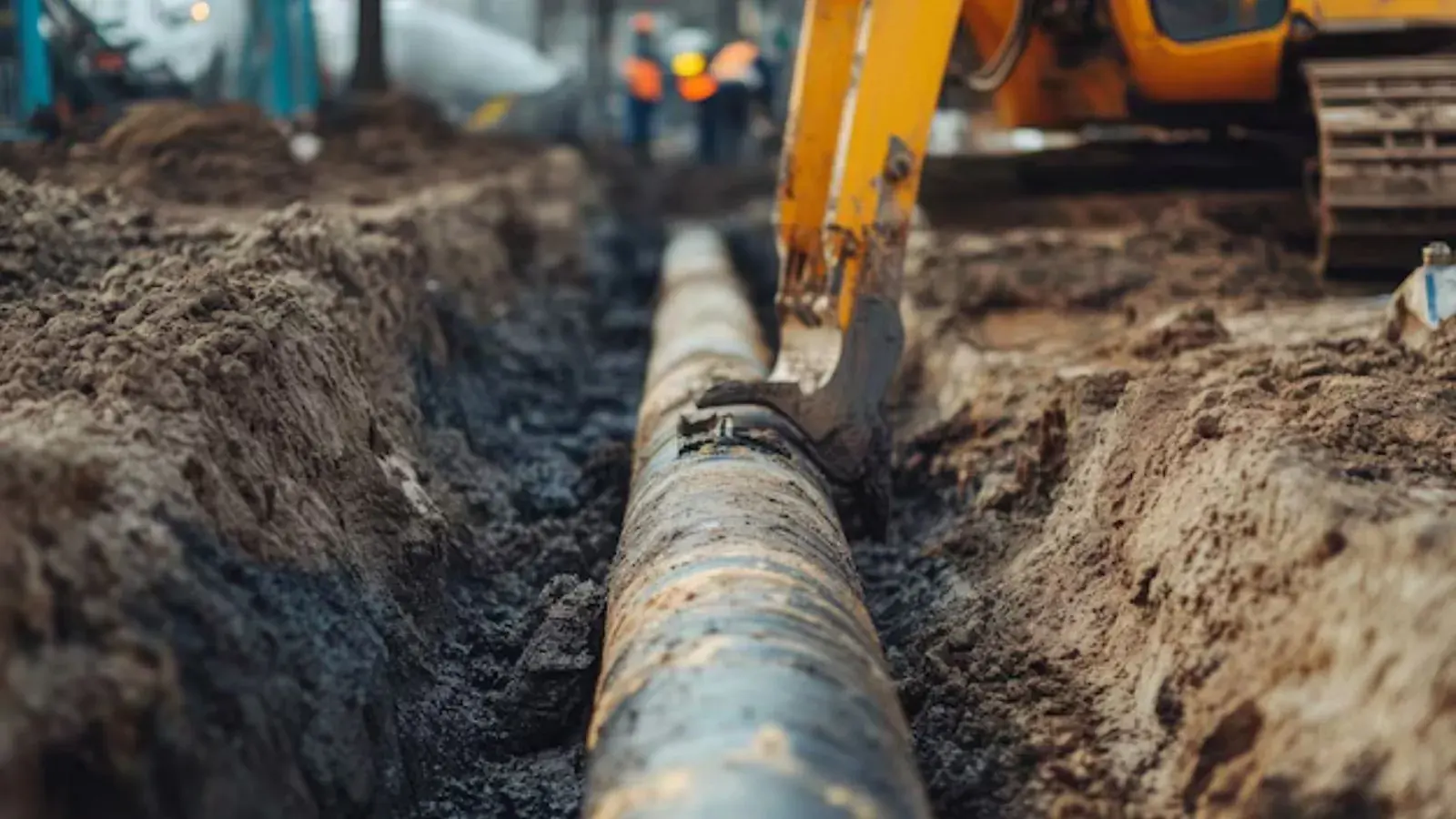
Home plumbing is designed for a range of water pressure. Fixtures, appliances and fittings are rated for a maximum, and pressure above that range wears them out and can cause leaks. The phrase high pressure plumbing fittings usually means one of two things: fittings made to handle high pressure, or fittings stressed by high pressure at home.
This guide covers both. It explains what high pressure does, how to measure yours and what choices help.
What high pressure does to fittings
Wear on seals
Washers, O-rings and cartridges wear faster and begin to drip.
Stress on joints
Solder, press and compression joints are pushed harder and can fail.
Noise
High pressure can cause water hammer and whistling.
Appliance damage
Water heaters, washers and dishwashers have maximum pressure ratings.
How to test your pressure
Buy a gauge
A pressure gauge with a hose-bib thread is inexpensive.
Close the taps
Turn off all water use in the house.
Attach and read
Screw the gauge onto a hose bib and open the bib fully.
Record at different times
Pressure varies by time of day. Check in the morning and late at night.
A common comfortable range for homes is about 40 to 60 psi. Many fixtures are rated up to 80 psi. A reading above that is worth correcting. Ask us to read yours if you are unsure.
Want a pressure test?
Call and a plumber will read your pressure.
The pressure regulator
A pressure regulator is a bell-shaped valve near the main shutoff. It reduces street pressure to a safe level. When it fails, pressure climbs and wears everything downstream.
A regulator can be adjusted with a screw, or replaced when it no longer holds. Pairing it with a small expansion tank protects a closed system from thermal expansion.
Choosing fittings for higher pressure
| Fitting type | Strength | Notes |
|---|---|---|
| Brass compression | Reliable for fixtures | Needs proper tightening, not over-tightening |
| Press-fit copper | Fast and strong | Needs a press tool and clean pipe |
| PEX crimp or expansion | Very strong when installed correctly | Use matching tool and ring |
| Push-to-connect | Fast repairs | Good for tight spaces, not for every situation |
For a buried or main-line fitting, the connection must match the pipe and the burial conditions. Ask us which fitting suits yours. Never mix types without checking compatibility.
Signs of high pressure in your home
- Dripping faucets that return after repair.
- Loud banging when taps close.
- Washer hoses and toilet valves that fail early.
- A relief valve on the water heater that drips often.
Thermal expansion and why a small tank helps
When water is heated, it expands. In a house with a pressure regulator or a check valve, the extra volume has nowhere to go, and pressure rises every time the heater fires. That spike strains every fitting.
A small expansion tank near the water heater absorbs the extra volume. It has an air cushion on one side of a diaphragm. Over time the air charge can fall, and the tank needs a check. A tank that has lost its charge is the same as no tank.
Water hammer arrestors
The bang you hear when a tap shuts quickly is water hammer, a pressure wave that rattles pipes. Arrestors are small chambers that absorb the shock. They are cheap to add at the washing machine and the dishwasher, where quick-closing valves cause most of the trouble.
Appliance signs
- A water heater relief valve that drips regularly.
- Washing machine hoses that fail early.
- Toilet fill valves that run or hiss.
- Dishwasher inlet valves that stick.
When to replace fittings and when to fix the pressure
A single failed fitting is a repair. A fitting that fails again, or one failure after another, suggests the pressure is the cause. Replacing the fitting without lowering the pressure sets up the next failure.
The order that works is to measure the pressure, fix the regulator if it is high and then replace worn fittings. Doing it in reverse wastes money.
Fitting care at the water heater
The connections at the water heater see heat, pressure and vibration. Flexible connectors with braided covers are common, and they wear out. Check them for corrosion at the ends and replace any that show rust or bulging. A failed connector at the heater can release a lot of water quickly.
Codes and licensing to know about
Plumbing in California is governed by the California Plumbing Code, which is based on the Uniform Plumbing Code (UPC). Whether a project like this needs a permit depends on the scope, so ask the City of Lemon Grove building department before you start. Contractors hold a C-36 plumbing license from the Contractors State License Board, which you can verify at cslb.ca.gov.
Plumbing in Lemon Grove: local notes
Lemon Grove sits at about 446 feet above sea level, and pressure depends on how your neighborhood is fed. Helix Water District supplies the city, and its system sets the pressure that reaches your meter. Ask Helix about typical pressure at your address, and measure it yourself at the hose bib.
If your reading is high, a regulator is a small cost compared with replacing fixtures one by one. For permits that cover a regulator or main valve change, ask the City of Lemon Grove building department.
Frequently asked questions
Around 40 to 60 psi is common. Over 80 psi is too high for most fixtures.
If the reading is high, yes. A regulator protects every fixture.
Many are adjustable, but incorrect settings can create problems. A plumber can set it and check the result.
A well-set regulator keeps pressure comfortable while protecting the fixtures.
Elevation is one factor among several, such as the distance from reservoirs and pumps. Measure at your hose bib, and ask Helix Water District about typical pressure in your area.