
A toilet that clogs now and then is normal. A toilet that clogs every week is telling you something. The clog may be in the toilet, in the drain beyond it or in the vent that lets the system breathe. A plunger clears the symptom. The solution is finding the cause.
Use the list below to narrow it down, starting with the simplest.
Cause one: the toilet itself
Older toilets and low-flow models vary in flush power. A toilet with mineral buildup under the rim has a weaker swirl. A partial clog in the trap catches paper repeatedly.
Clean the rim jets with a small mirror and a brush, and try a stronger flush. If the toilet is old and poor at flushing, replacement may be the best fix. See toilet repair.
Cause two: what goes down
Too much paper
Use less per flush, or flush twice for a large load.
Wipes
Even flushable wipes clog. Put them in the trash.
Feminine products and cotton
They do not break down. Keep them out.
Toys and objects
A child's toy in the trap is a common cause of sudden clogs.
Cause three: the drain beyond the toilet
If the toilet clogs along with the tub or sink gurgling, the branch drain or the main line is restricted. Roots, grease or a bellied pipe are common causes.
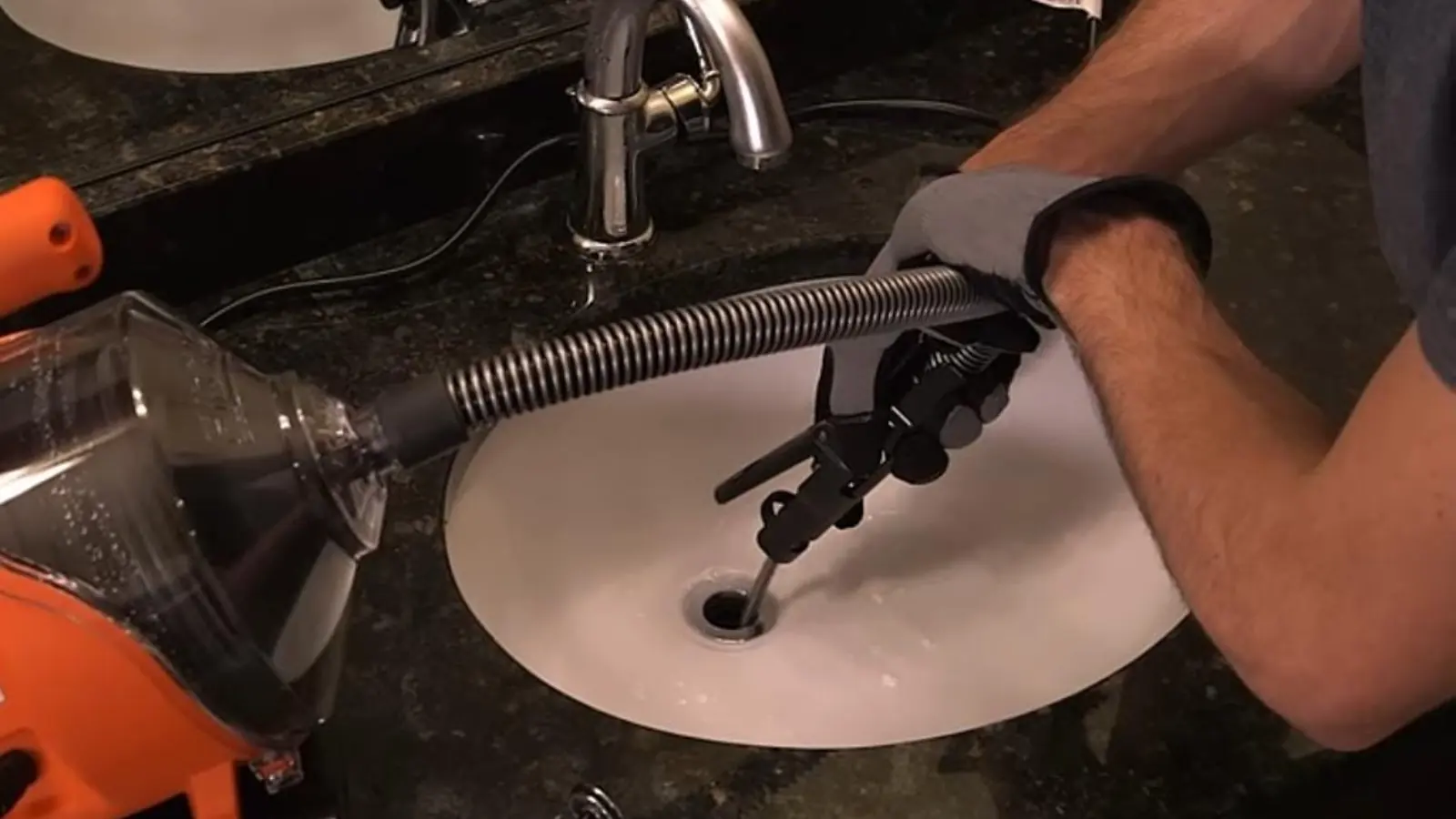
A closet auger will not reach this. A cable machine and a camera will. See sewer line cleaning.
Clogging again and again?
Call and a plumber will find the cause.
Cause four: the vent
A blocked vent stack, perhaps from a bird nest or debris, slows drains and makes toilets gurgle. A vent problem is on the roof and needs a ladder and care. A plumber can clear it.
| Symptom | Likely cause | Solution |
|---|---|---|
| One toilet, weekly clogs | Fixture or paper use | Check flush, change habits |
| Toilet and tub gurgle together | Branch or main drain | Cable the line |
| Gurgling after rain | Vent or main | Camera inspection |
| Clogs and sewage smell | Main line problem | Inspect and clear |
The lasting fix
After the line is open, keep it that way. Use less paper, keep wipes out and consider a scheduled cleaning if roots are the cause. A camera shows how bad the pipe is, and decides between maintenance and repair.
A step plan for a toilet that keeps clogging
Check how it flushes
Flush with a bucket of water. If a large flush clears it, the toilet may just be weak.
Look at habits
Count how much paper goes in each flush and what else is flushed.
Try other fixtures
Run the tub and sink. If they drain slowly, the problem is beyond the toilet.
Call for a camera
If the cause is not clear, a camera in the drain line shows it.
What a camera inspection shows
A camera on a flexible cable travels through the drain and shows roots, cracks, offsets and bellies. It also shows whether the clog is a one-time blockage or a symptom of a damaged pipe. The recording turns a guess into a plan.
A maintenance schedule that works
For a line with roots, cleaning once or twice a year keeps it open. For a line with grease, a cleaning and better habits do the job. For a line that is cracked, repair is the answer, and cleaning only delays it.
Why a low-flow toilet can seem to clog more
Modern toilets use less water per flush than older models. A well-designed one flushes cleanly, but a poor design or a partly blocked trap can struggle with the smaller volume. If a newer toilet clogs more than an older one did, the toilet may be the cause, not the pipe.
Before you replace it, check the water level in the tank. A level set too low gives a weak flush, and the fill valve can be adjusted. A flapper that closes too early also cuts the flush short.
Signs it is time to call instead of plunging
- Water rises in the tub or shower when you flush.
- The toilet clogs again within a day of clearing.
- A sewage smell comes from a floor drain.
- More than one toilet in the house is affected.
- You have used a plunger and an auger without result.
Those signs point beyond the bowl. A plumber can clear the line and, if needed, run a camera to find the cause. Call early. The longer a partial blockage sits, the more it grows.
Codes and licensing to know about
Plumbing in California is governed by the California Plumbing Code, which is based on the Uniform Plumbing Code (UPC). Whether a project like this needs a permit depends on the scope, so ask the City of Lemon Grove building department before you start. Contractors hold a C-36 plumbing license from the Contractors State License Board, which you can verify at cslb.ca.gov.
Plumbing in Lemon Grove: local notes
Lemon Grove's population grew from 19,348 in 1960 to 27,627 in 2020, and much of the housing was built as the city grew. Drains in homes of that era are cast iron or clay. Those materials roughen and crack with age, and roots find the joints. That is why a toilet that clogs repeatedly in an older house often traces to the line outside.
If a camera shows a damaged lateral, the repair is generally the owner's. For permits and for who maintains the public sewer main, ask the City of Lemon Grove public works office.
Frequently asked questions
No, but repeated clogs mean a cause to fix.
Yes, when they grow into the sewer line.
If it clogs a lot and the drain is clear, a new toilet can help.
Never. Chemicals can splash back.
Older cast iron and clay drain lines roughen and crack, and roots enter the joints. A camera inspection shows whether that is happening in yours.